Life & Legacy of
Shree Janaki Ballav Patnaik
Born on January 3, 1927, in Rameswar village of Khordha district, Shree Janaki Ballav Patnaik grew up in an environment shaped by patriotism and learning. His father, Gokulananda Patnaik, a poet and freedom fighter, played a defining role in influencing his values from an early age. During his fourteen years of leadership, Janaki Ballav Patnaik guided a period of decisive change, helping move society from a primarily agrarian foundation toward a more confident and modern outlook.
%20(1).JPG&w=3840&q=75)
Early Life & Education
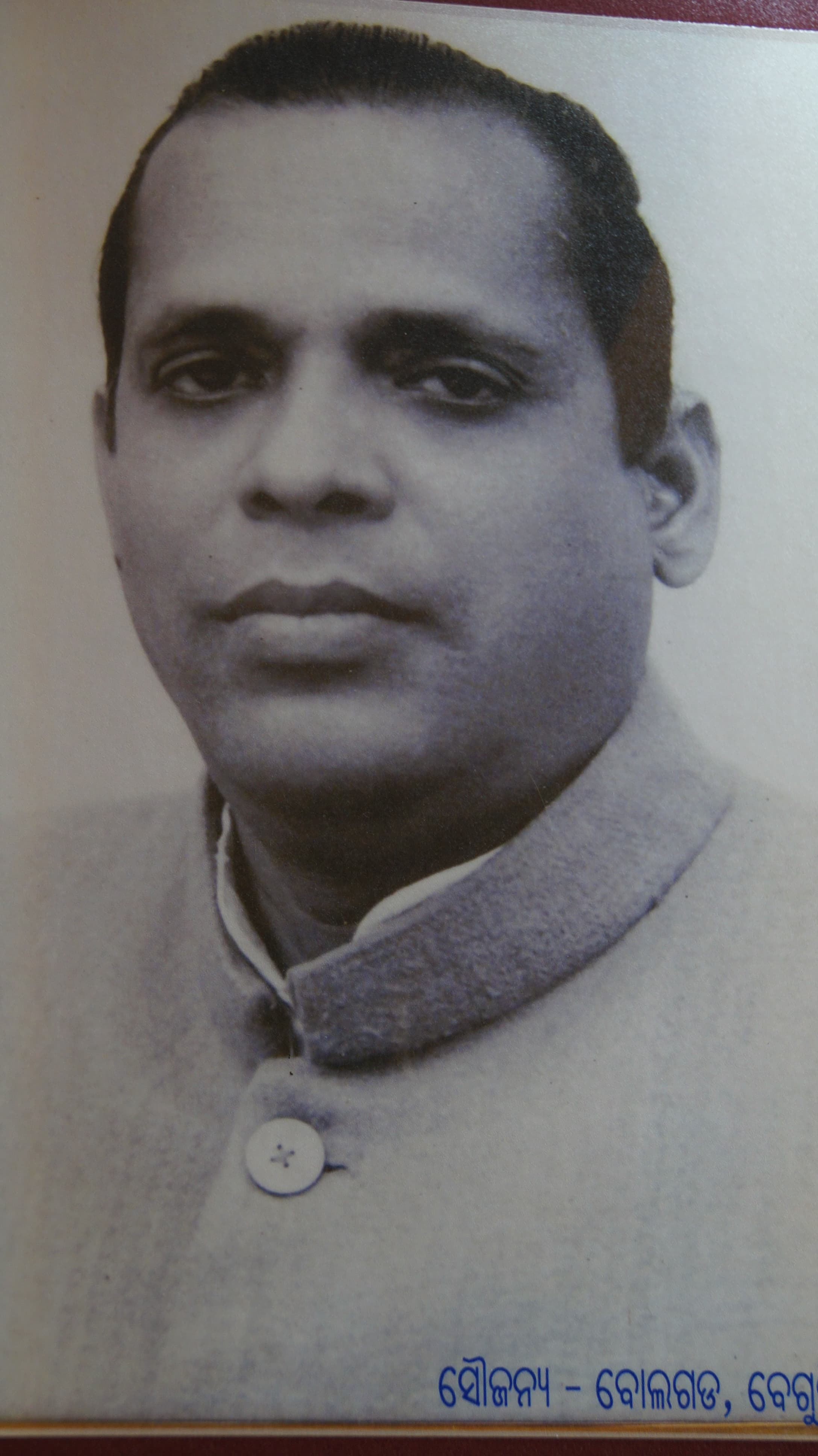
Janaki Ballav Patnaik's academic journey was marked by brilliance and rebellion. As a student at Ravenshaw College, he famously led a protest to lower the British Union Jack from the college building in 1946, an act that signalled his fearless spirit. He went on to earn a degree in Sanskrit from Ravenshaw College (1947) and a Master's in Political Science from the prestigious Banaras Hindu University (BHU) in 1949. This dual grounding in ancient wisdom and modern political thought would become the hallmark of his career.
Before entering active politics, he distinguished himself as a journalist, serving as the Editor of the Eastern Times and the Prajatantra, where he championed the causes of the common man.
Political Journey
A Desire to Serve
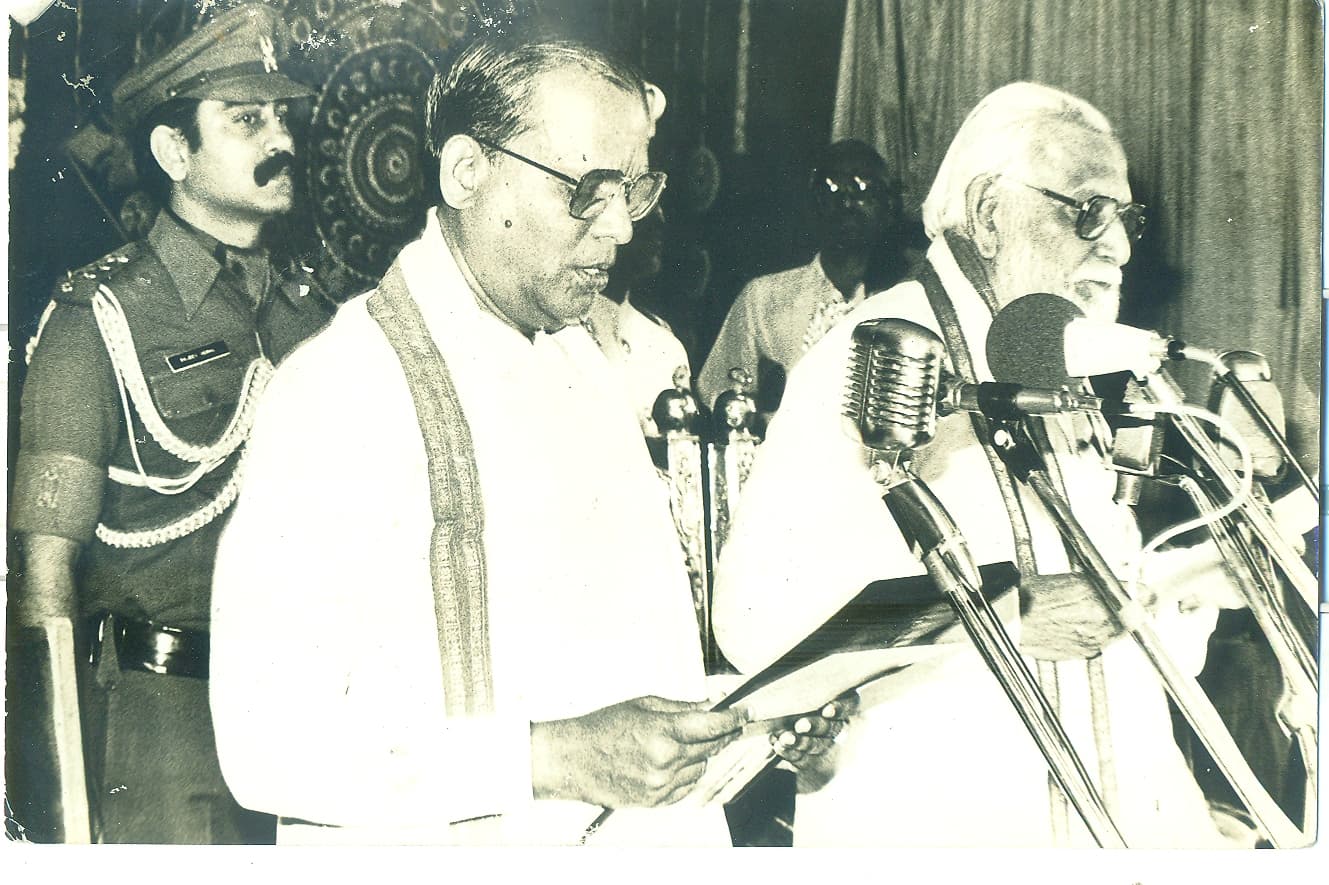
Shree Janaki Ballav Patnaik’s political journey began with a strong sense of public service. He started as President of the State Youth Congress in 1950 and gained national recognition in 1971 after being elected to the Lok Sabha.
His work at the national level led to greater responsibilities under Prime Minister Indira Gandhi. Between 1973 and 1980, he served as Deputy Minister of Defence and later as Union Minister for Tourism, Civil Aviation, and Labour. During this period, he played a key role in strengthening connectivity and tourism infrastructure, setting the stage for his return to state leadership.
Became President of the State Youth Congress
Elected to Lok Sabha
Appointed Deputy Minister of Defence
Appointed Union Minister for Tourism, Civil Aviation, and Labour
Became Chief Minister of Odisha (First Tenure)
Sworn in as Chief Minister (Second Tenure)
Sworn in as Chief Minister (Third Tenure)
Appointed Governor of Assam
Became President of the State Youth Congress
Elected to Lok Sabha
Appointed Deputy Minister of Defence
Appointed Union Minister for Tourism, Civil Aviation, and Labour
Became Chief Minister of Odisha (First Tenure)
Sworn in as Chief Minister (Second Tenure)
Sworn in as Chief Minister (Third Tenure)
Appointed Governor of Assam
Chief Minister of Odisha
Shree Janaki Ballav Patnaik’s fourteen years in leadership marked a period of significant change for Odisha. His focus went beyond maintaining existing systems and instead centred on reshaping the state’s long-term direction, guiding Odisha from a largely agrarian base toward a more modern and forward-looking outlook.
First Tenure
The Era of Stability & Vision
He brought an end to prolonged political instability by establishing a stable government and introducing the ‘1000 Industries’ policy, which helped diversify the state’s economy beyond its agrarian base.
Second Tenure
The Infrastructure Surge
A period of aggressive institution-building and modernization where the physical blueprints of a new Odisha—from NALCO to the Planetarium—were turned into reality.
Third Tenure
The Modern Renaissance
The veteran statesman's return, marked by the transformation of Bhubaneswar into an IT & education hub and a renewed focus on preserving the state's cultural soul.
The Industrial Visionary
He dared to imagine an industrialized Odisha at a time when the state was primarily known for agriculture. With audacious policies and a call for rapid development, he broke the inertia of the past, inviting massive capital and creating an ecosystem where manufacturing and enterprise could finally take root in the state's soil.
Unifying the State
His administration prioritized physical connectivity to bridge the gap between the coastal hubs and the hinterlands. By weaving a network of critical infrastructure across rivers and districts, he integrated the state's geography, ensuring that the pulse of development could reach the remotest corners of the map.
The Complete Vision
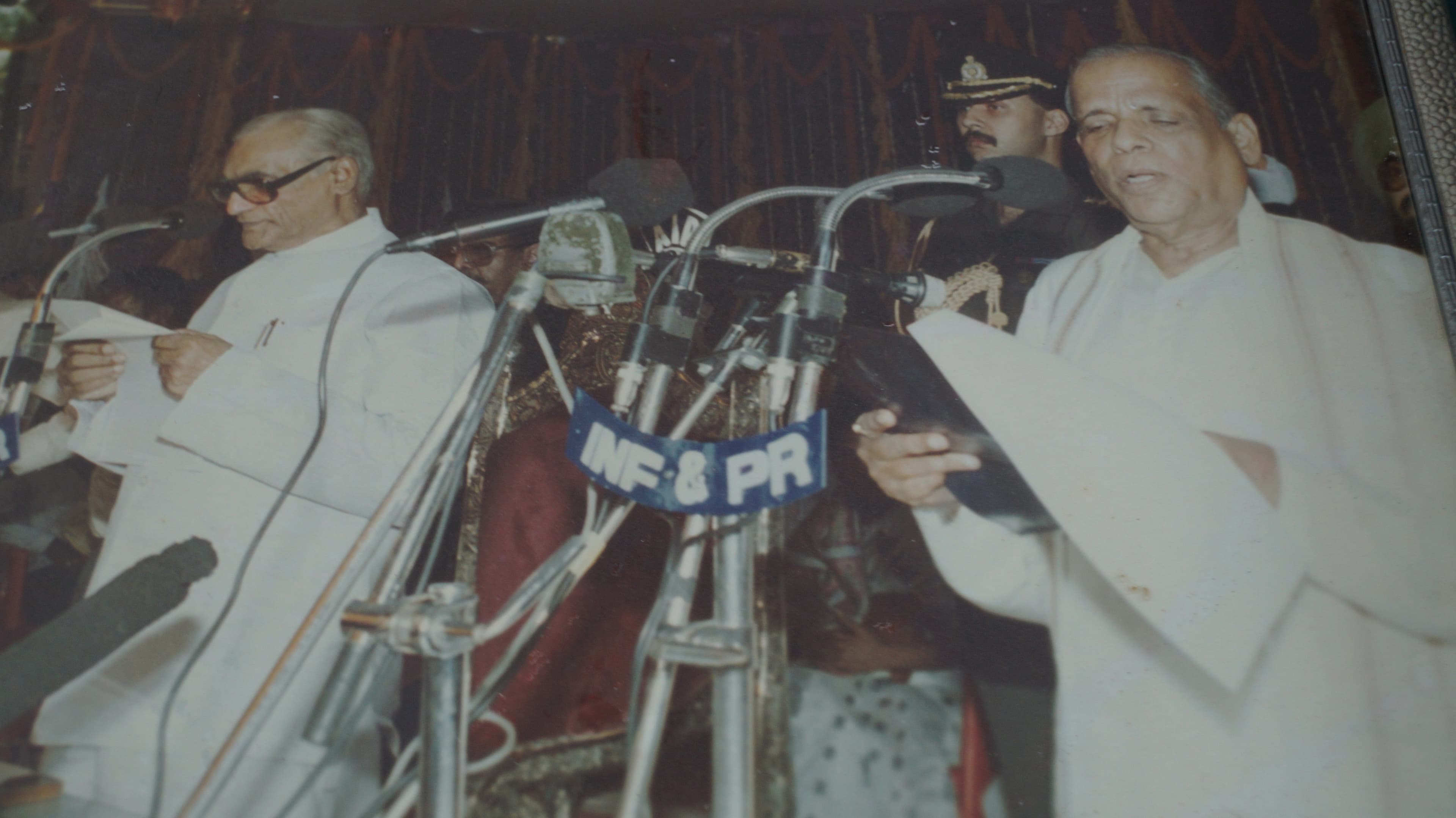
Through his three tenures as Chief Minister, Janaki Ballav Patnaik transformed Odisha into a state that balanced industrial growth with cultural preservation, infrastructure development with social welfare, and modern institutions with traditional values. His cumulative tenure of over 14 years remains one of the longest in Odisha's history, a testament to the trust people placed in his leadership and vision.
Governor of Assam
From 2009 to 2014, he served as the Governor of Assam, where he played an active and engaged role, earning recognition as a People’s Governor rather than a ceremonial figure.
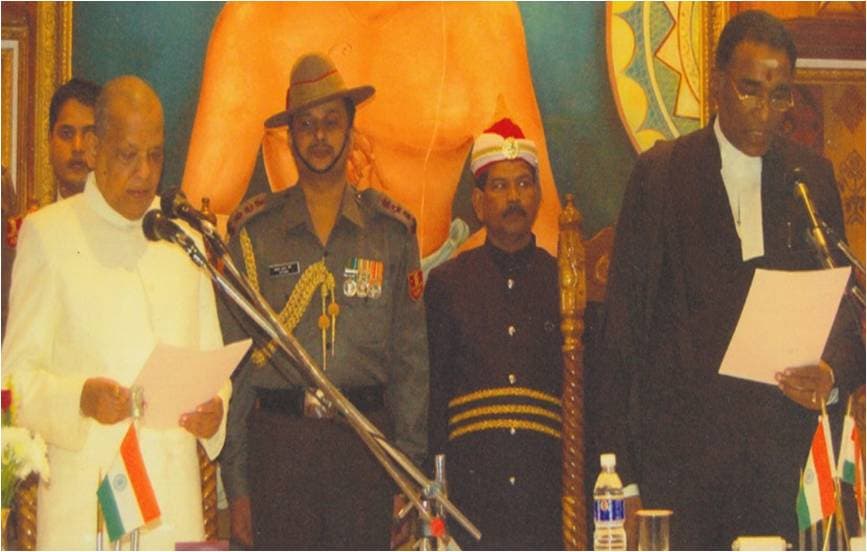
25th Governor of Assam: A Statesman's Healing Touch
Social Reformer
In a historic move, he led a group of women into the Patbausi Satra, breaking a centuries-old taboo that barred women from entering the sanctum sanctorum.
Cultural Bridge
He revived the ancient spiritual link between Odisha and Assam, celebrating the legacy of Srimanta Sankardeva. A monumental testament is the Jagannath Temple in Dibrugarh, which was built through his dedicated efforts, replicating the architectural grandeur of the Puri temple.
Peacekeeper
His tenure is credited with improving the security scenario in Assam, as he actively engaged with insurgent groups to bring them to the negotiating table.
Personal Life & Values
The Sage in Power
"Service to the nation is the only philosophy of my life."
A Man of Principles
J.B. Patnaik was known for his composure and dignity in public life. Even amid strong political criticism, he upheld the decorum of a statesman and remained guided by a clear sense of right and wrong. His decisions were shaped by conviction rather than convenience, and he believed that consistent work, not rhetoric, was the true measure of leadership.
Writer & Intellectual
Beyond the files of governance, he was a literary giant. He was the founder-editor of the monthly literary magazine Paurusha. A profound Sanskrit scholar, he won the Sahitya Akademi Award for his translation of Bankim Chandra Chattopadhyay's novels into Odia. He also translated the Ramayana, Mahabharata, and Bhagavad Gita into lucid Odia prose, making the epics accessible to the common man.
Gandhian Values & Service to People
A lifelong Gandhian, he wore Khadi and spun the charkha in his youth. His philosophy was simple: "Service to the nation is the only philosophy of my life." Whether resolving the grievances of temple servitors in Puri or visiting flood-hit villages, he remained accessible and rooted.
Lasting Legacy
Explore the landmark institutions envisioned and established by Janaki Patnaik, enduring pillars that continue to drive Odisha’s growth and prosperity today.
Industrial & Economic Engine
Infrastructure & Connectivity
Power & Energy
Education, Sports & Culture
Agriculture & Social Welfare
Environment & Ecology
A Legacy That Lives On
Shree Janaki Ballav Patnaik passed away on April 21, 2015, in Tirupati, fittingly after attending a convocation of Sanskrit scholars. He left behind a state that was unrecognizable from the one he inherited—endowed with major industries, a thriving capital city, and a revived cultural identity.
He is remembered today not just as a politician, but as a Renaissance Man—the "Scholar-Statesman" who taught Odisha to dream of industrial might while keeping its feet firmly planted in its glorious heritage.