The Scholar Statesman
Beyond Politics: The Philosophy, Ideology, and Literary-Journalistic Universe
Long before taking the oath of office, Shree Janaki Ballav Patnaik took up the pen. For him, politics was a vehicle for progress, but literature was the vessel for the soul. A prolific writer and polyglot, he bridged the gap between ancient wisdom and modern thought—whether thundering against injustice in the press or translating the Mahabharata for the common reader. His writings reflect a deep love for the Odia ethos, leaving an intellectual legacy as enduring as his political achievements.
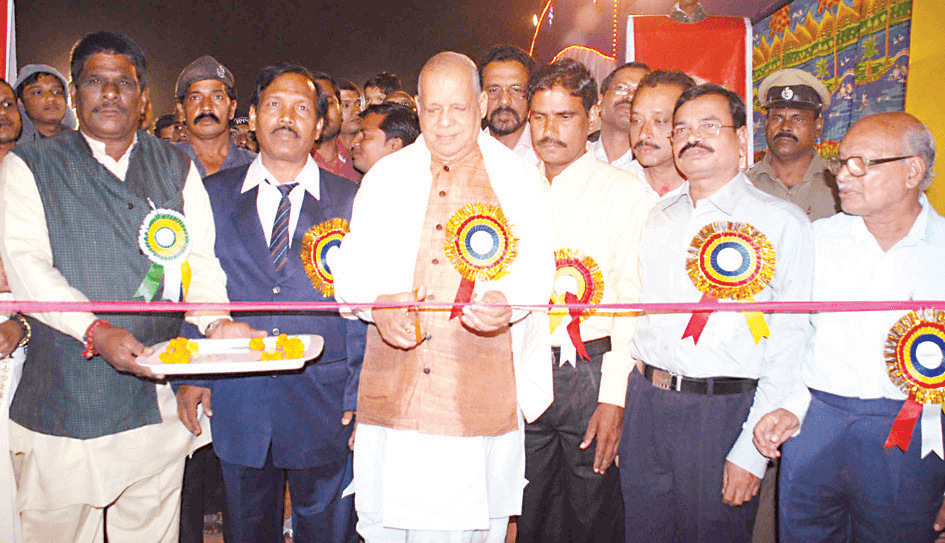
Literary Works
A Prolific Author
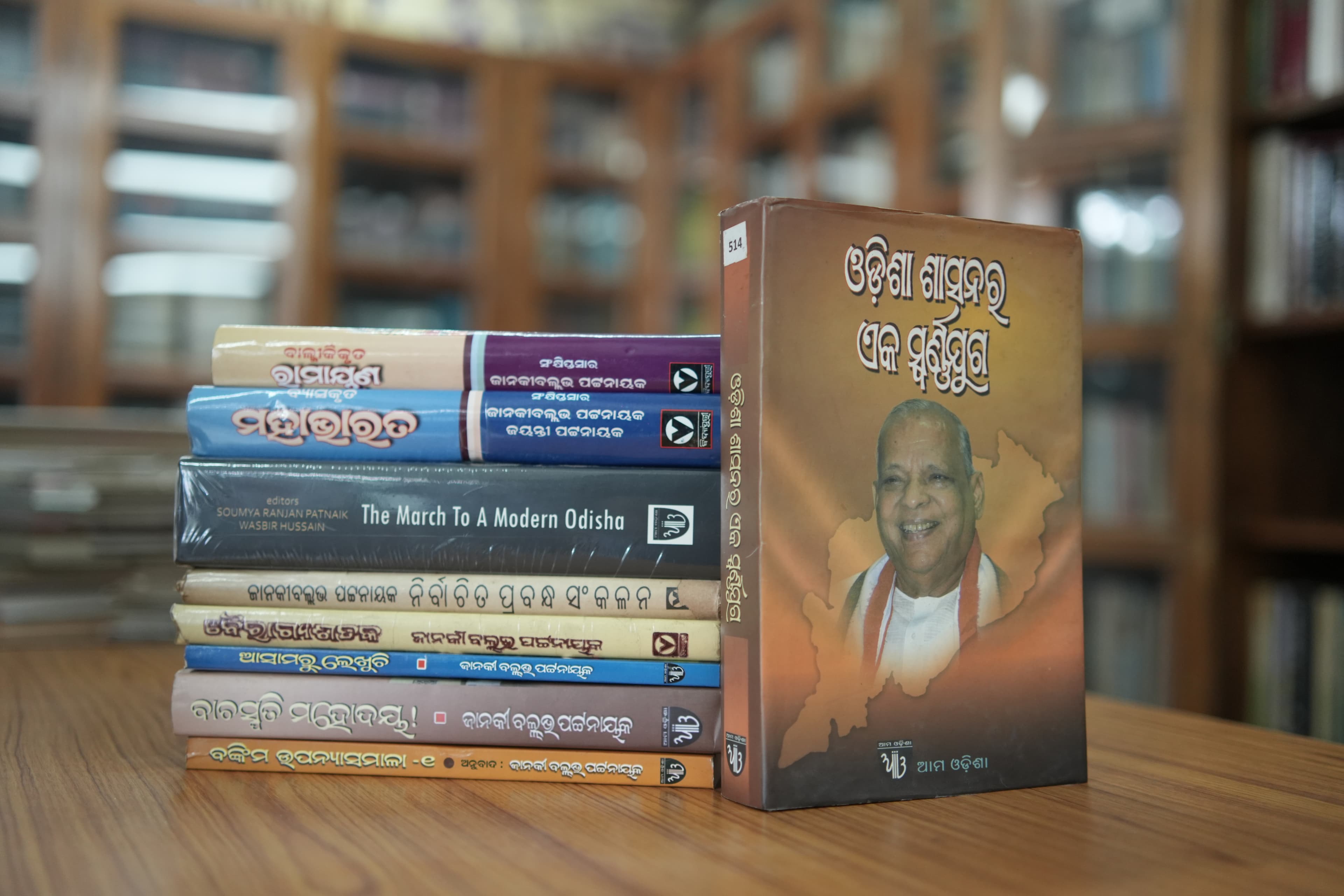
J.B. Patnaik authored numerous books, articles, and essays throughout his life. His writings span various subjects including politics, society, culture, and his personal experiences during India's freedom struggle. His literary contributions have enriched Odia literature and provided valuable insights into the political history of Odisha.
Translations
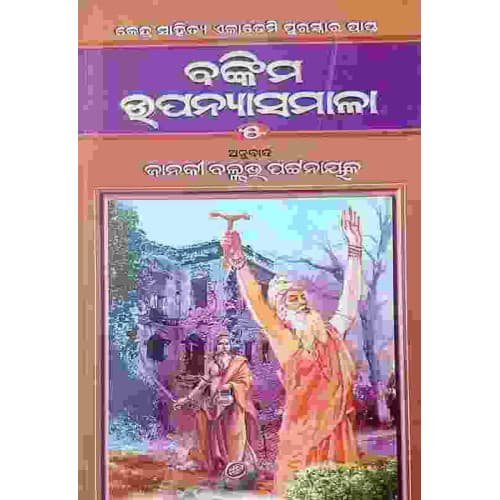
Bankima Upanyasmala (Vol 1 & 2)
2001Sahitya Akademi Award winner - Translation of Bankim Chandra Chattopadhyay's novels into Odia.
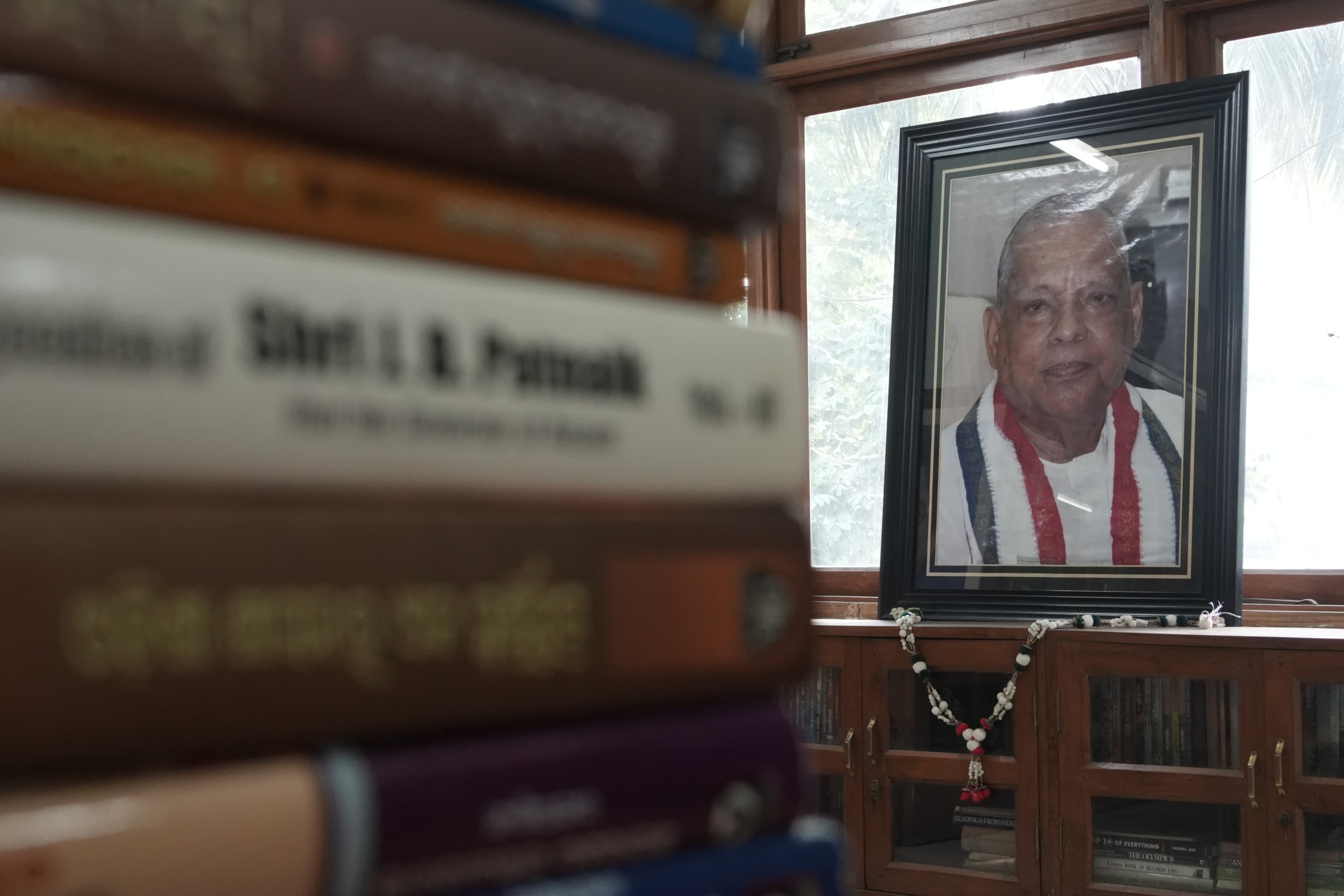
Bairagya Sataka (Bhartruhari)
1996Odisha Sahitya Akademi Award winner - Translation of Bhartruhari's philosophical verses.

Niti Sataka & Srungar Sataka
TranslationThe complete Satakatrayi - Translation of Bhartruhari's three collections of verses.
Srimad Bhagabata
ScriptureProse translation of the Bhagavata Purana into Odia, making the epic accessible to common readers.
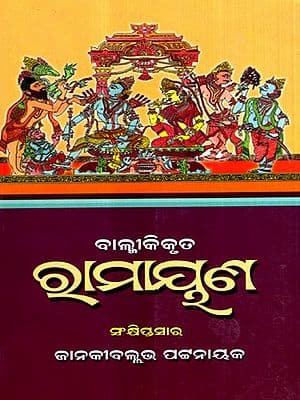
Valmiki Ramayana
ScriptureOdia translation of the ancient Sanskrit epic Valmiki Ramayana, preserving the essence of the original.
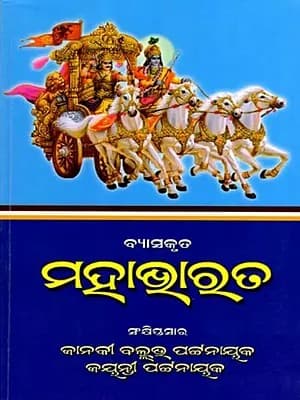
Byasakruta Mahabharata
ScriptureTranslation of the epic Mahabharata into Odia, bringing the great epic to Odia readers.
Original Prose
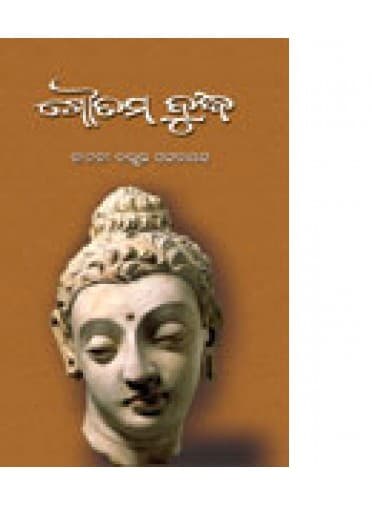
Gautama Buddha
BiographyA modern democratic interpretation of the life and teachings of Gautama Buddha.
Swapna O Sankalpa
EssaysEssays on Odisha's Vision - A collection of thoughtful writings on the state's future.
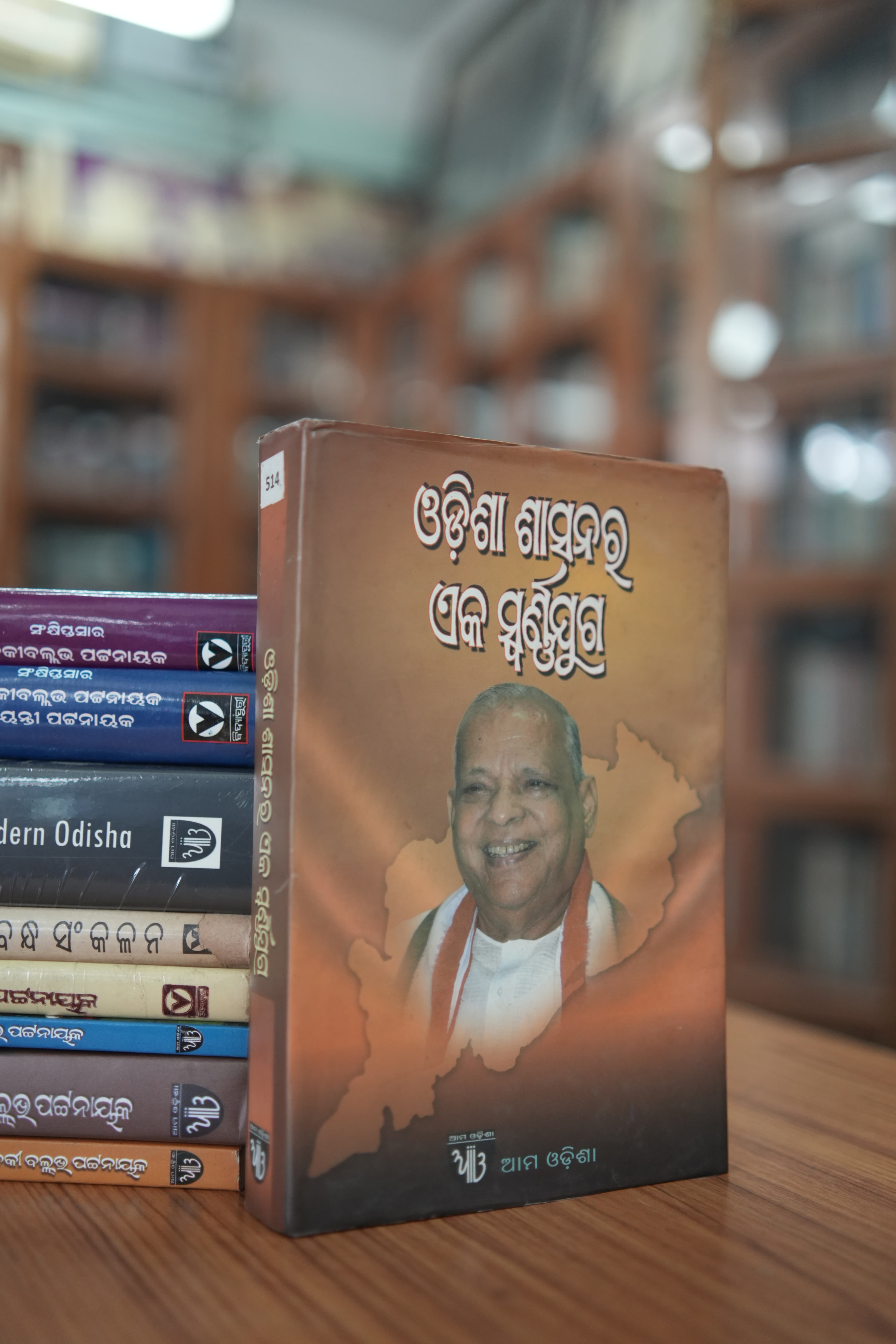
Balmikikruta Ramayana
ProseCritical Prose Retelling of the Ramayana with modern interpretations.
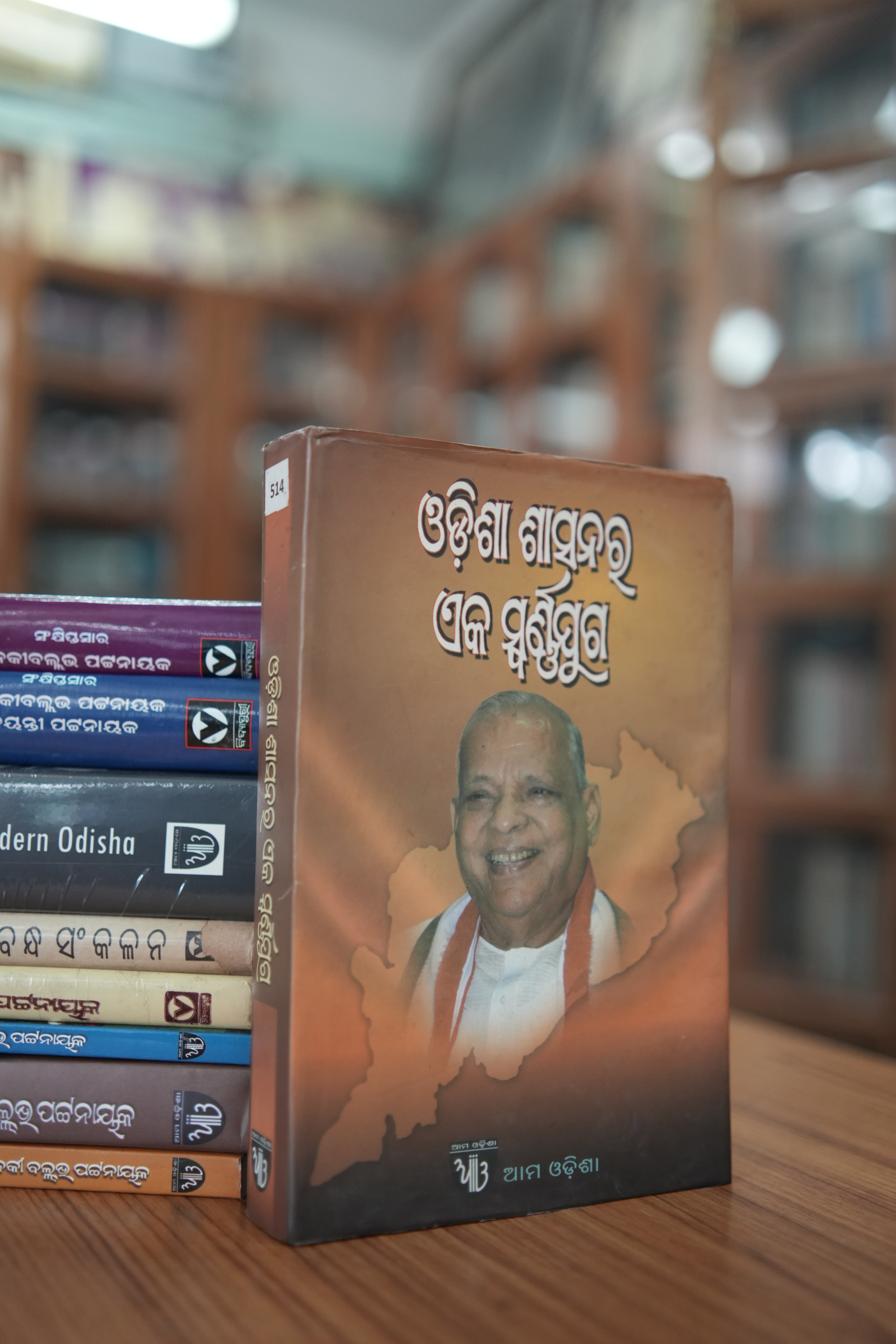
Nirbachita Prabandha Samkalan
EssaysSelected Essays on Literature & Politics - A compilation of his finest writings.

Samayara Sopanare
ProseA collection of prose writings reflecting on contemporary times and society.
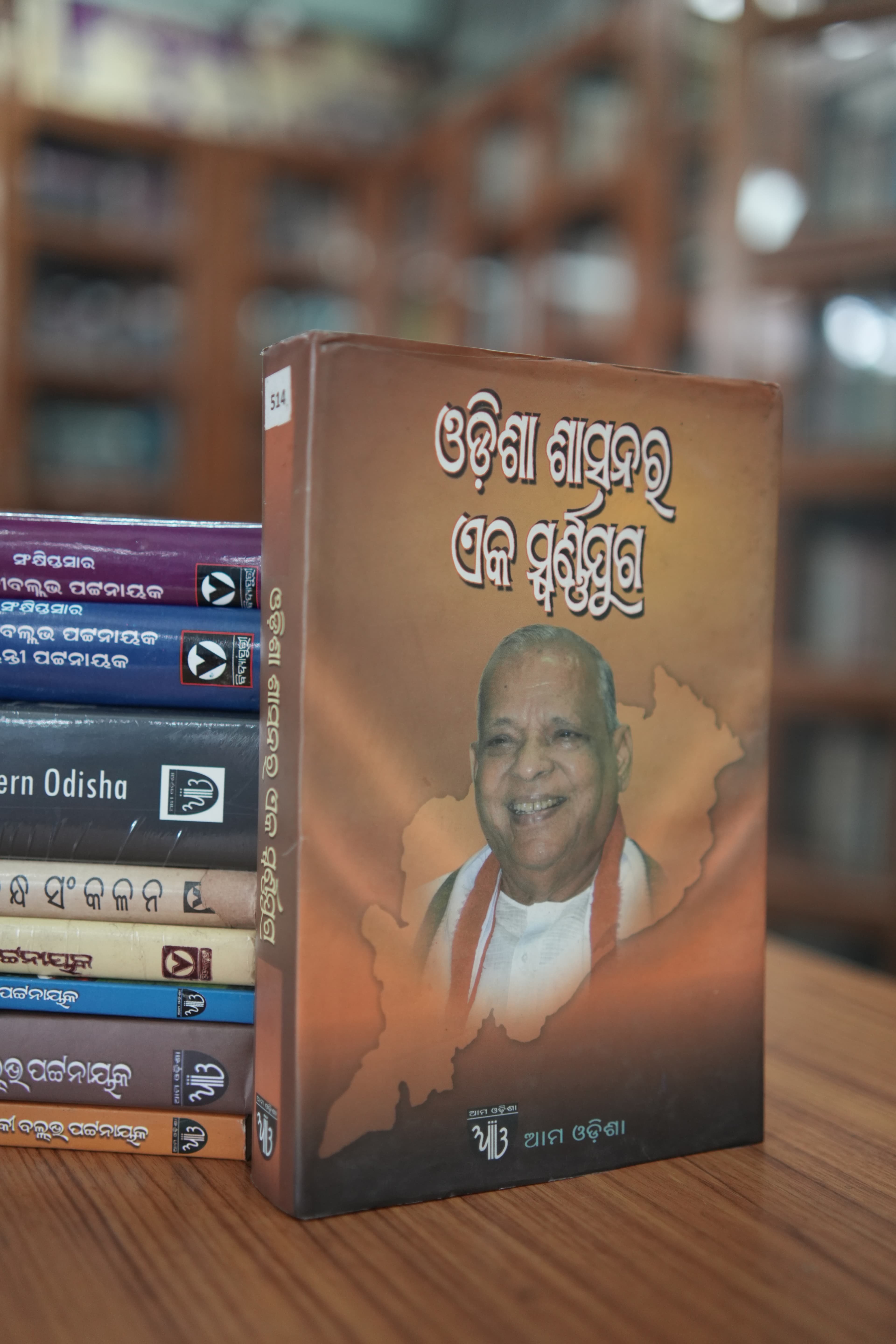
Panchatatwatmaka Srichaitanya O Panchasakha
Odia ProseAn exploration of the five elements of Chaitanya and the Panchasakha tradition.
Poetry & Other Works
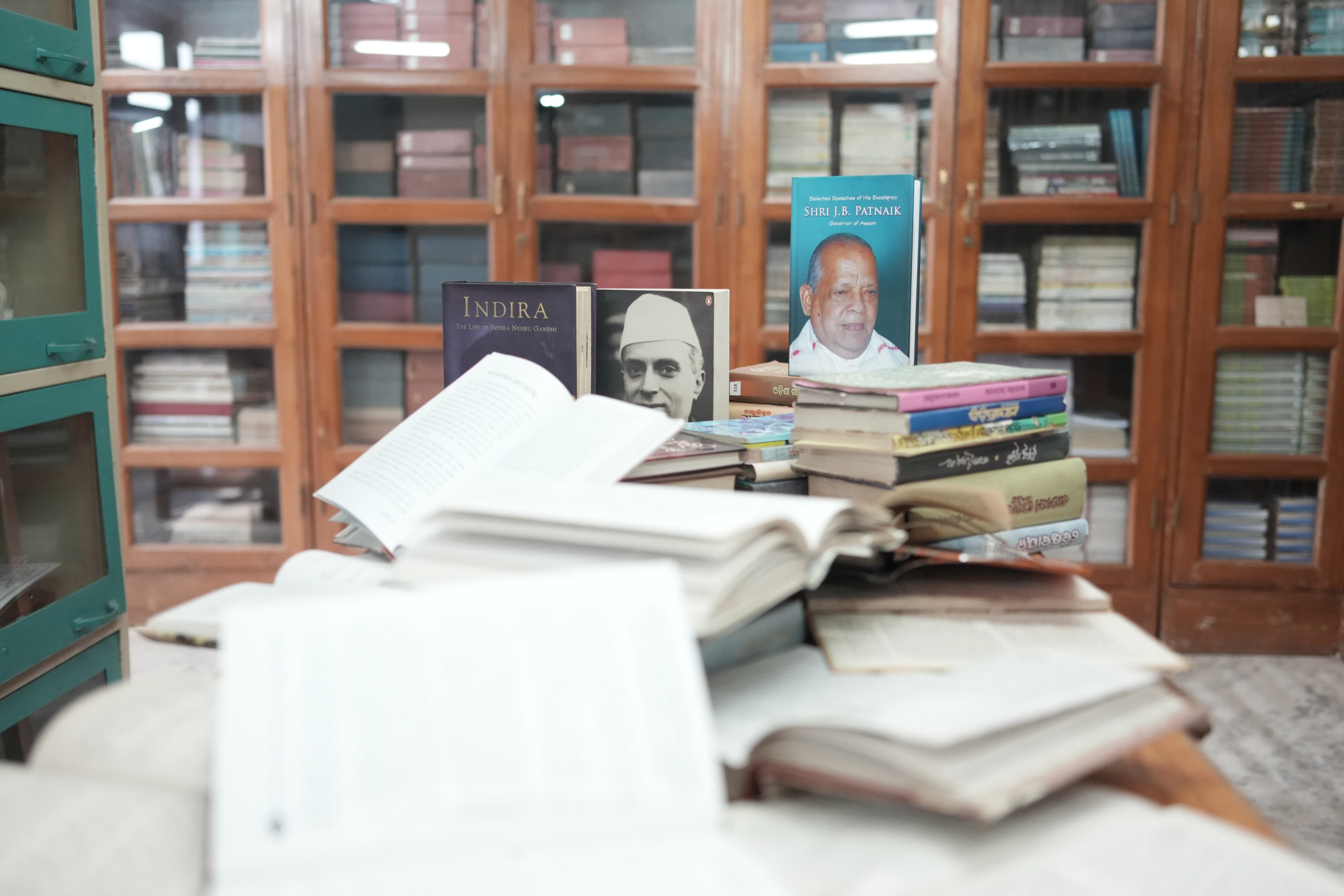
Sindhu Upatyaka
PoetryA collection of poems that has been translated into Bengali, showcasing his poetic prowess.
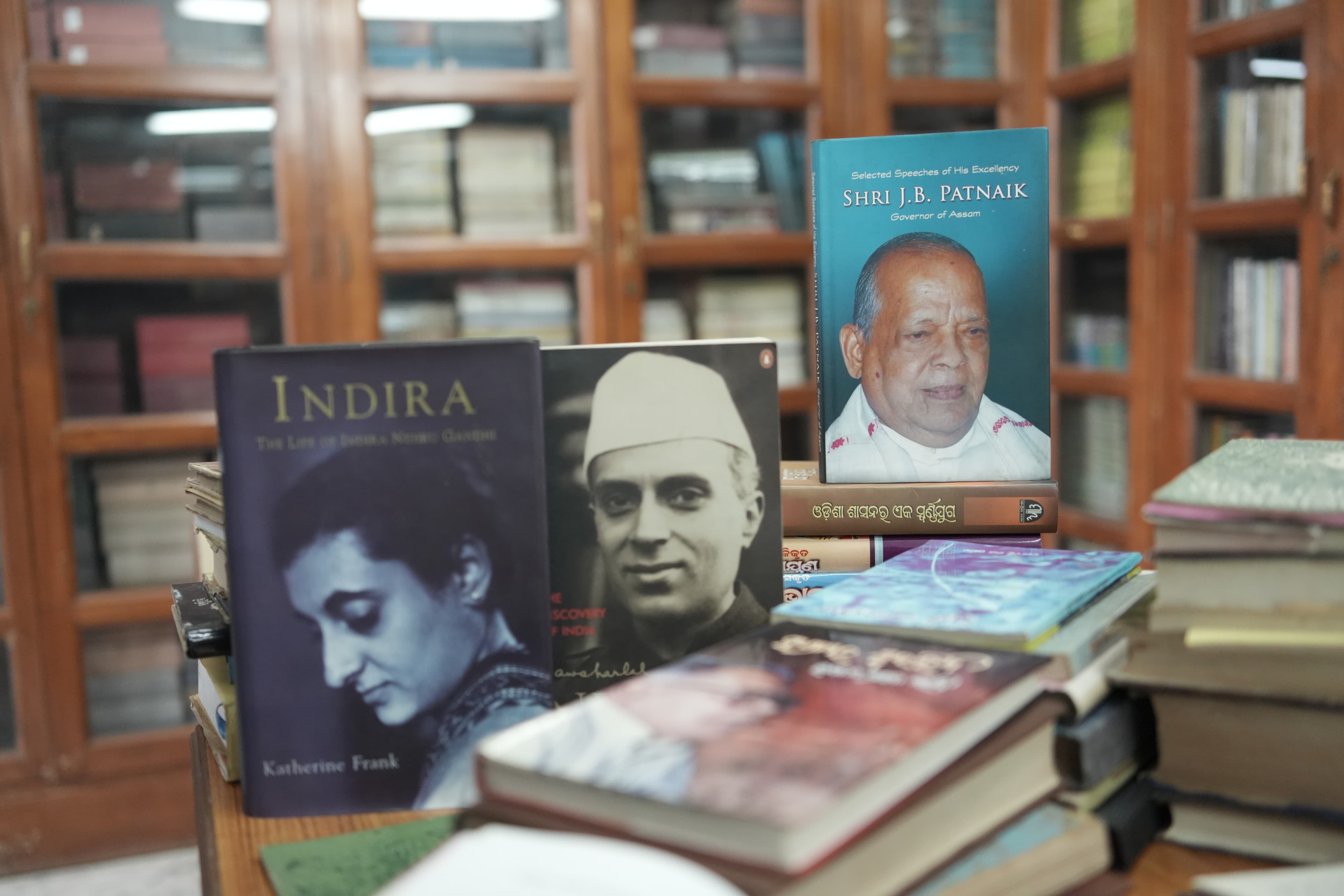
Samskrtavanmayavaibhavam
SanskritOriginal Sanskrit Essays & Poems - Demonstrating his mastery of classical Sanskrit literature.
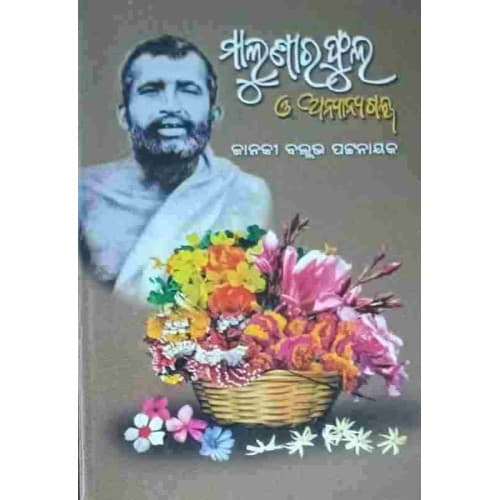
Malunira Fula O Anyana Galpa
OdiaShort stories collection - A compilation of his finest short stories in Odia.
Memoirs & Autobiography
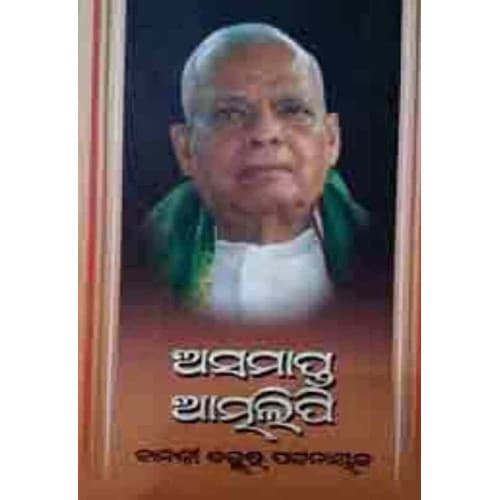
Asamapta Atmalipi
AutobiographyUnfinished Autobiography of JBP - A self-portrait capturing his public journey and inner reflections.
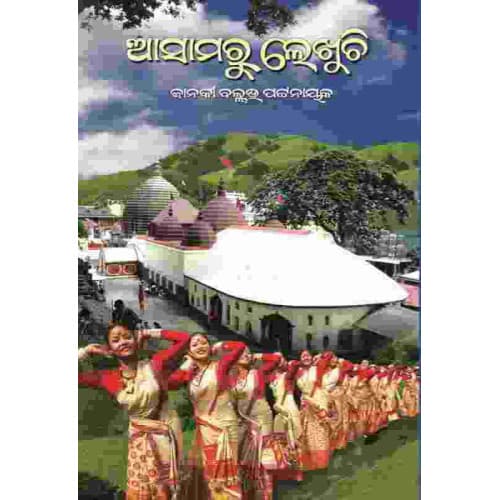
Assamru Lekhuchi
MemoirA collection of his writings while serving as the Governor of Assam (2009-2014).
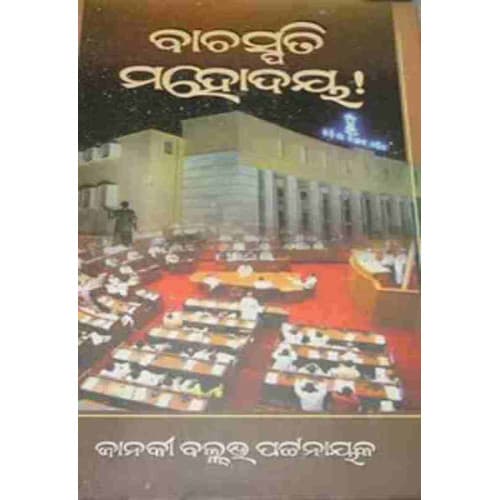
Bachaspati Mahodaya
MemoirCollection of his writings - Reflections and thoughts from his distinguished career.
Edited Works
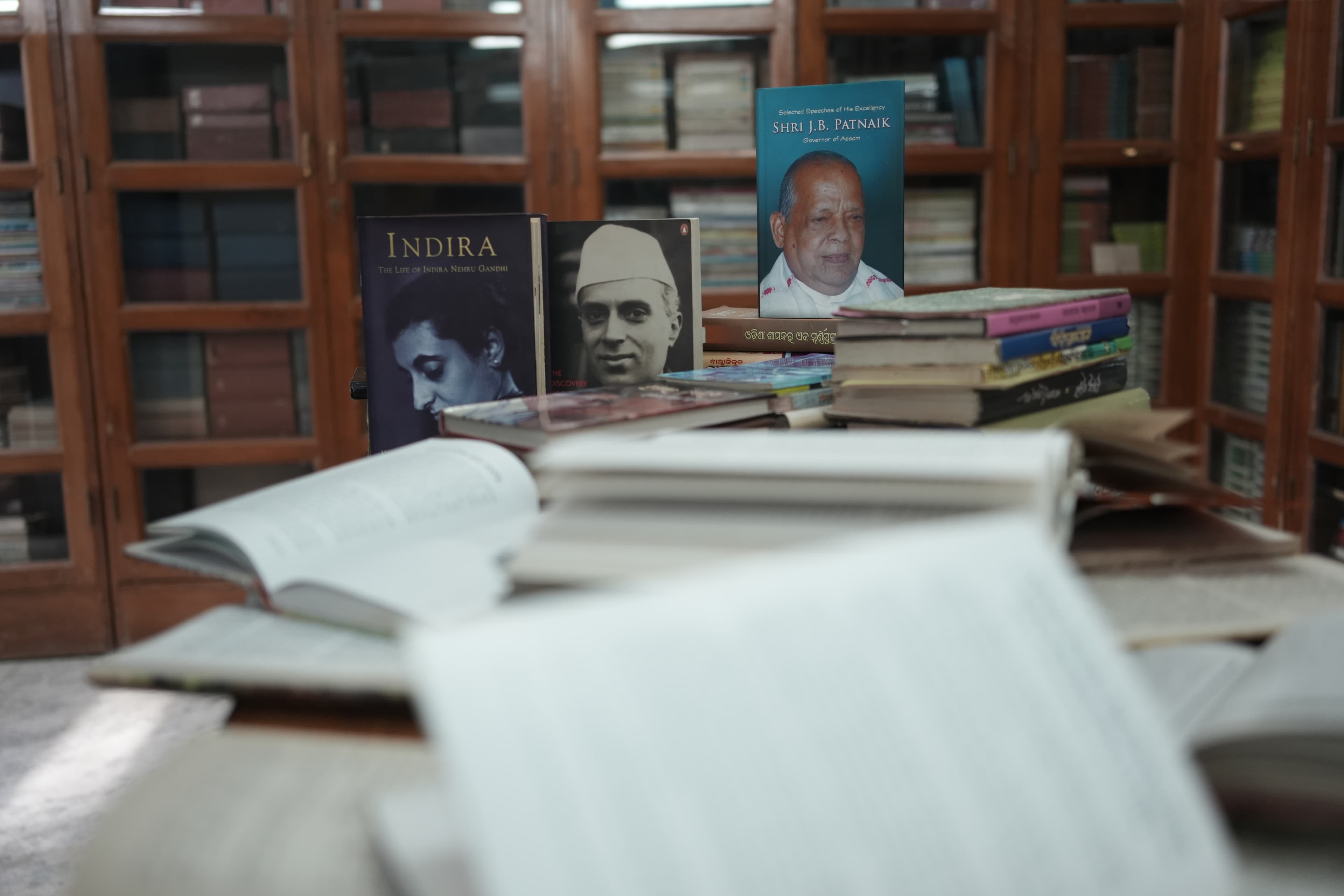
Gokulananda Granthavali
Edited VolumeCollected works of his father, Gokulananda Patnaik - A tribute to the noted poet and freedom fighter.
Journalism & Periodicals
Paurusha
Founder-EditorMonthly Literary Digest - A platform for Odia literature and culture.
Eastern Times
EditorEnglish Newspaper - Edited from 1952 to 1966, championing the causes of the common man.
Prajatantra
EditorOdia Newspaper - Edited from 1952 to 1967, amplifying the Odia voice in national debates.
Philosophy & Ideology
"Pragyan & Pragati: The Scholar-Statesman"
J.B. Patnaik rejected the binary between tradition and modernity. His worldview was a unique synthesis of ancient wisdom, nationalist fervor, and scientific progress.
Gandhian Roots: Simplicity & Antyodaya
The Living Example
The Living Example
A lifelong Gandhian, he was steeped in the values of the freedom struggle, having participated in the Quit India Movement (1942) as a student. He wore Khadi and spun the charkha throughout his life, believing that true power lies in simplicity.
Governance for the Last Man
His administration was guided by Gandhi's Talisman—focusing on the poorest of the poor (Antyodaya). This philosophy birthed welfare schemes like the 2-Rupee Rice for tribals, ensuring that the state's resources reached the most vulnerable first.
The Path of Dialogue
Even when facing insurgency or unrest, he prioritized dialogue over force, embodying the Gandhian principle of non-violent conflict resolution.
Nehruvian Modernity: Temples of the Future
Temples of Modern India
Temples of Modern India
Much like Jawaharlal Nehru, J.B. Patnaik believed that dams, power plants, and industries were the "new temples" of a modern state. His aggressive push for massive infrastructure—like the Upper Indravati Project and NALCO—mirrored Nehru's vision of a self-reliant, industrialized nation.
Scientific Temper
He was a staunch advocate for cultivating a scientific mindset among the youth. He established the Pathani Samanta Planetarium and upgraded the Institute of Physics, ensuring that the land of ancient temples also became a land of modern technology.
Ambedkarite Equality: The Architecture of Social Justice
Political vs. Social Democracy
Political vs. Social Democracy
Echoing Dr. Ambedkar, J.B. Patnaik believed that political liberty was meaningless without social equality. He argued that the state must actively intervene to dismantle historical hierarchies, famously stating that "democracy is not just a form of government, but a form of associated living."
Representation as a Right
He was a fierce guardian of constitutional rights for the marginalized. His administration was known for the strict enforcement of reservation rosters, aggressively clearing backlogs in government jobs to ensure Dalits and Tribals had their rightful share in power.
Education as Liberation
True to the Ambedkarite slogan "Educate, Agitate, Organize," he viewed education as the only exit route from caste stagnation. This drove his massive expansion of residential schools (Sevashrams) and SC/ST hostels, ensuring that the poorest child had the same educational footing as the privileged.
The Double March: Velocity of Development
He believed Odisha could not afford the luxury of gradual growth. His doctrine of the "Double March Order" dictated that the state must industrialize at twice the speed of others to bridge the historical gap—simultaneously building steel plants for the economy and universities for the mind.
Nationalistic Regionalism: Unity in Diversity
He championed Odia identity not in isolation, but as a vital organ of the Indian body politic. His philosophy was that a strong Odisha makes a strong India. He famously described the state as the "filament in the lotus of the nation," implying that while the petals (India) are vast, the filament (Odisha) holds the core beauty and life.
Compassionate Economics: Industry for Welfare
His economic model was unique: aggressively court private investment (Capitalism) to fund massive social welfare (Socialism). He viewed heavy industry not as an end in itself, but as the engine to subsidize food security and education for the poor.
Secular Humanism: The Spirit of Inclusion
The Spirit of Inclusion
Respect for All Faiths
J.B. Patnaik's secularism was not merely political; it was spiritual. He believed that the true essence of Indian culture was its ability to embrace diversity without conflict. He was a pluralist who saw the same divinity in every faith. He famously broke protocol to connect with communities across the religious spectrum. As Governor of Assam, he attended Jumma prayers at the Sijubari Jame Masjid in Guwahati. In a progressive move that resonated deeply with the minority community, he championed the right of women to offer prayers in the mosque, earning him respect as a true liberal humanist.
The Reformer's Zeal
He believed spirituality should unify, not divide. In a historic act of social reform, he led a group of women into the Patbausi Satra (a Vaishnavite monastery in Assam), breaking a 300-year-old tradition that barred their entry. This act demonstrated his conviction that devotion transcends gender and dogma.
The Jagannath Ethos
His pluralism was rooted in the Jagannath Cult, which he studied extensively. He often cited Lord Jagannath as the ultimate symbol of syncretism—a deity originally worshipped by tribals (Sabaras), revered by Hindus, and historically respected by followers of Jainism and Buddhism. For him, secularism was the practical application of this inclusive Jagannath consciousness.
Journalism & Media
Voice of the People
Before entering full-time politics, J.B. Patnaik had a distinguished career in journalism. He worked as an editor and columnist, using the power of the pen to advocate for social causes and highlight issues affecting the common people of Odisha.
His journalistic work during the pre-independence era was instrumental in mobilizing public opinion for the freedom struggle. He continued to write opinion pieces and columns throughout his political career, maintaining his connection with the written word.
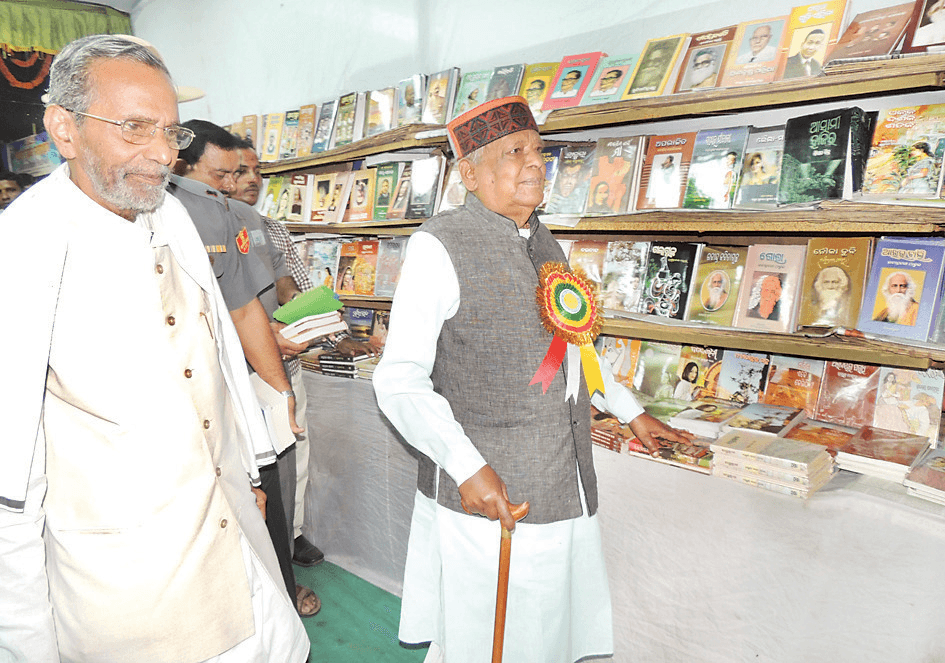
Influence on Odia Literature
J.B. Patnaik's contributions to Odia literature extended beyond his own writings. He actively supported and promoted Odia writers, established literary institutions, and championed the cause of Odia language recognition.
Literary Patronage
Supported Odia writers and poets through various initiatives and awards
Sahitya Akademi
Promoted Odia literature through state and national academies
Odia Journalism
Strengthened Odia language media and journalism
Language Policy
Advocated for Odia as medium of instruction in schools
Classical Status
Contributed to the movement for classical language status for Odia
Cultural Programs
Organized literary festivals and cultural programs across Odisha
Continue Exploring
Discover more about Janaki Ballav Patnaik's remarkable life, his contributions to Odisha, and his lasting legacy.